Las Vegas
A plan, not a pamphlet.
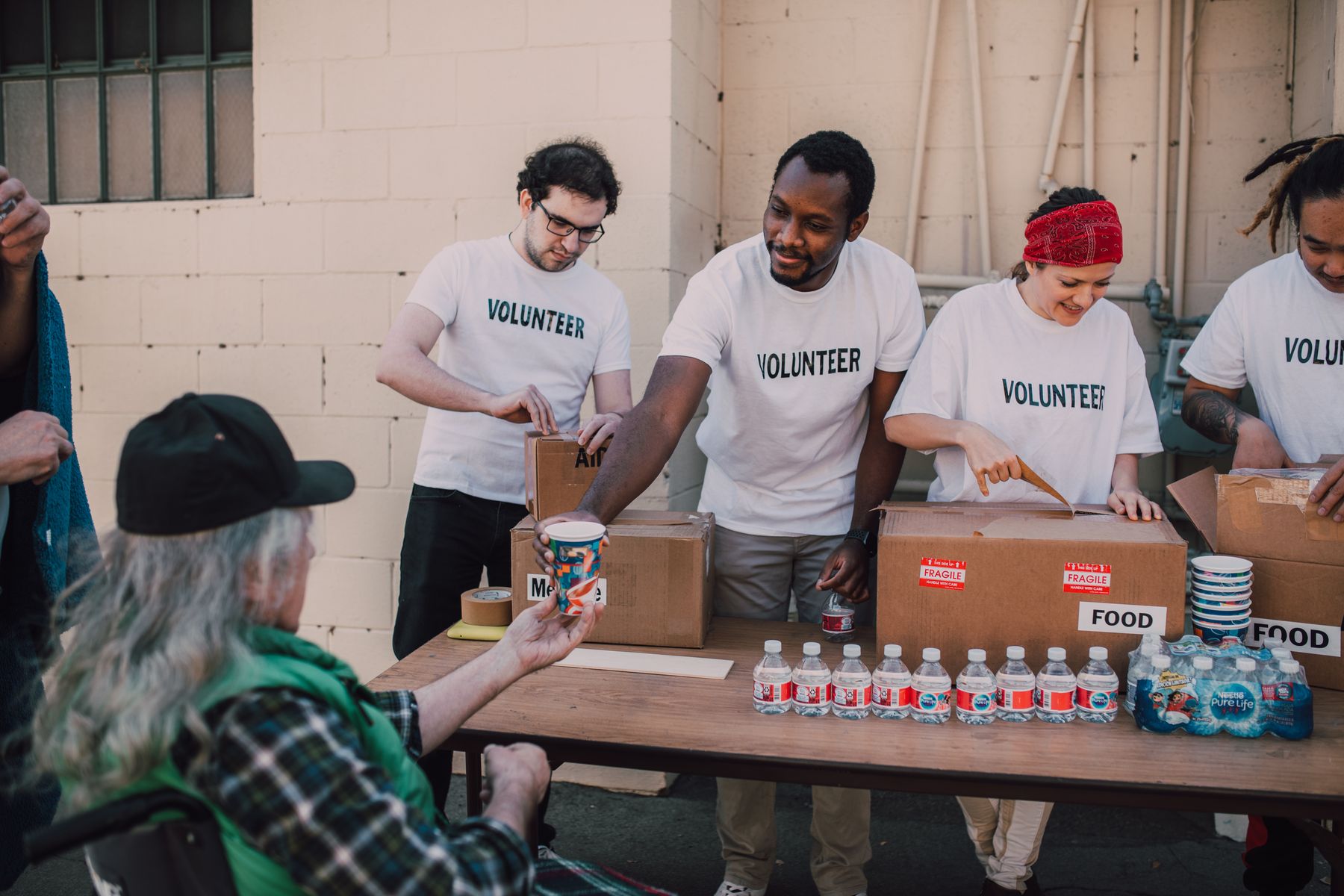
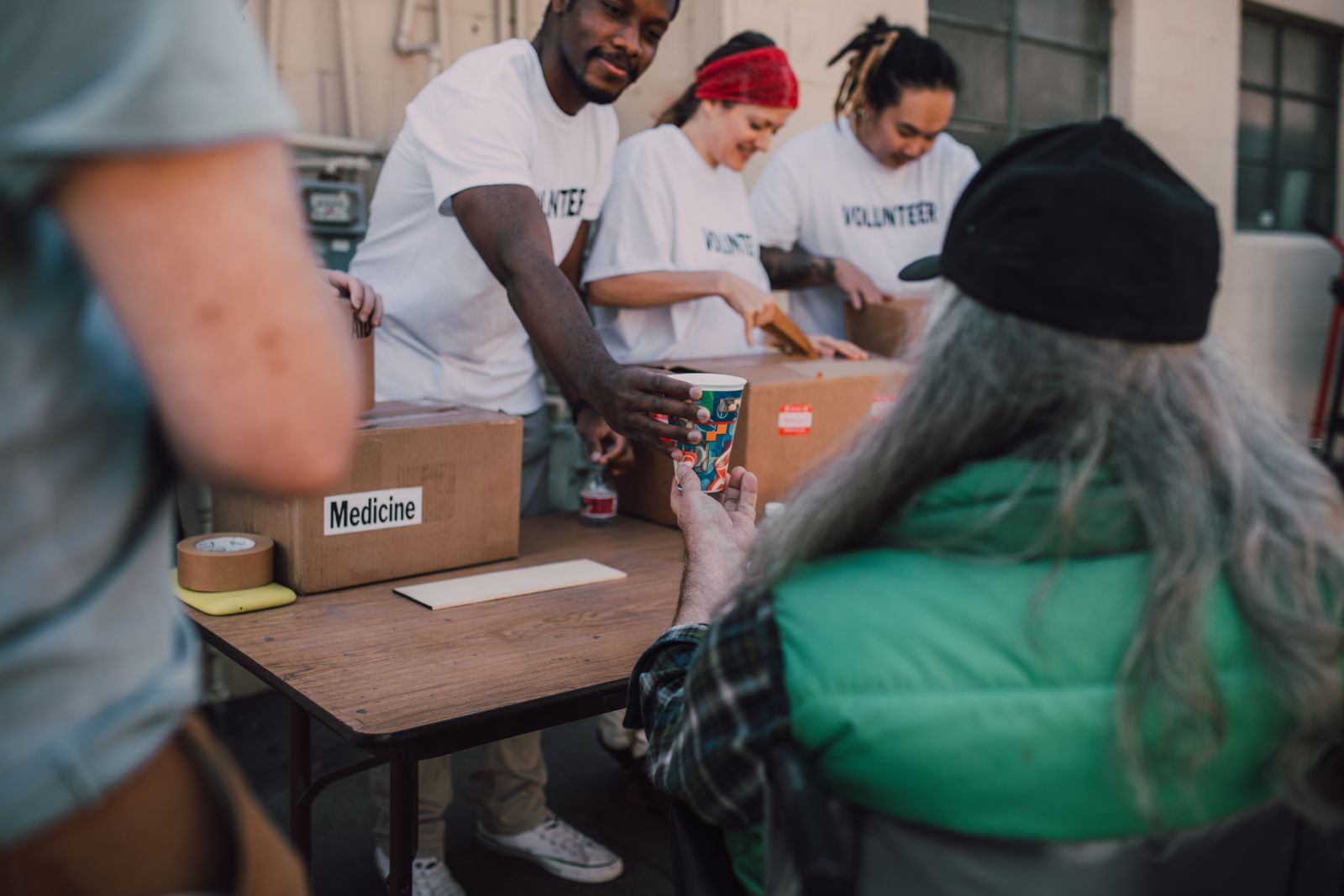
A volunteer hands out breakfast on a street corner. If the person wants to talk, that conversation becomes something concrete by the time the volunteer walks away: where to go, who to ask for, what to bring, and in what order — with a source behind every step.
Need help today? Bridge works through a volunteer on the street, so nothing sent from this page reaches anyone quickly. These are answered around the clock.
1
Housed
1
Working
1
In training
3
People helped
Every number here was confirmed by a volunteer who saw it happen or was told so. None of them is inferred from a form being filled in, and none of them counts a step that was merely ticked off.
How it works
Four things happen between a breakfast and a plan.
The order is not an implementation detail — it is the whole argument.
A conversation, with permission
Nothing is recorded until the person says yes, and they can have all of it deleted at any moment — on the spot, without having to argue for it.
The volunteer checks it
The transcript is read and corrected before anything is built from it. A misheard street name becomes a wasted journey across the city.
A plan in the right order
Somewhere to sleep, then documents, then work, then training. Not a preference — you cannot hold down a job from a system that wants an address you do not have.
Every step names its source
If nothing in our checked list of services answers what someone needs, the app says so plainly. It does not fill the gap with something that sounds right.

“Get a job” is not advice you can act on without an address, and you cannot get an address without an ID, and you cannot get an ID without somewhere to be found.
So the plan always runs in the same order: a roof, then documents, then work, then training. That order is fixed in the software. It is not something the model decides, and it is not something a busy afternoon can reshuffle.
Where money goes
The gap between a plan and a done thing is usually about twenty dollars.
Not a programme, not a placement. A fare, a fee, a phone that still works on Thursday. These are the three things volunteers end up paying for out of pocket most often.
$5
A day on the buses
Most of a first plan is appointments in different parts of the valley. Someone who cannot get across town cannot complete step one, however good the plan is.
$25
A state ID
The document nearly everything else is gated behind — a shelter bed, a bank account, a job. It is also the step people are most often quietly stuck on.
$15
A month of phone minutes
A caseworker who cannot ring back has to be visited in person, twice. A working number turns a week of walking into a phone call.
There is no donate button here. Tell us you want to give and a volunteer will reply about where it would land.
Sources
15
services checked and approved by a volunteer, by hand, one at a time.
A step you cannot trace is a step we do not print.
Nothing outside the list
The plan can only cite a service from the approved list. There is no route by which something a model half-remembers becomes an address someone walks to.
Nothing fetched mid-conversation
No page is retrieved while a volunteer is standing there. What the list said this morning is what the plan says now, which is why the list gets re-checked.
A source on every line
Each step carries the service it came from, and flags itself when that entry is old enough to be worth ringing first.
Silence over invention
When nothing in the list answers what someone needs, the plan says exactly that. A confident wrong answer costs a person a day and a bus fare.
Help out
The most useful thing is usually not money.
It is knowing that a place has moved, that a phone number stopped working, or that a programme has a two-week wait nobody mentions on their website. Tell us one of those and it goes into the list everyone else’s plan is built from.
Questions
The ones people actually ask.
Is Bridge a shelter?
No. We have no beds, no building and no intake desk. Bridge is a tool a volunteer carries: it turns a conversation on the street into an ordered plan that points at the organisations who do have beds, and it says which one, where, and what to bring.
Can I get help through this website?
Not directly, and we would rather say so than take a message we cannot act on. Bridge reaches people through a volunteer who is already out there. If you need something today, the numbers at the top and bottom of this page are answered around the clock.
What happens to what someone tells a volunteer?
Nothing is recorded until they say yes. The recording is transcribed, the volunteer corrects it, and the plan is built from the corrected version. They can have every trace of it deleted at any point, without giving a reason and without having to persuade anyone.
Does the app invent things?
It cannot cite anything outside a list of services a volunteer has checked and approved by hand, and it fetches no web pages during a conversation. When the list has no answer, the plan says so in plain words rather than filling the gap with something that sounds right.
Do you take donations?
There is no donate button on this site, because there is no payment processor behind one. The form below starts a conversation with a volunteer instead — slower, and honest about where the money goes.
Can I volunteer without a car or any experience?
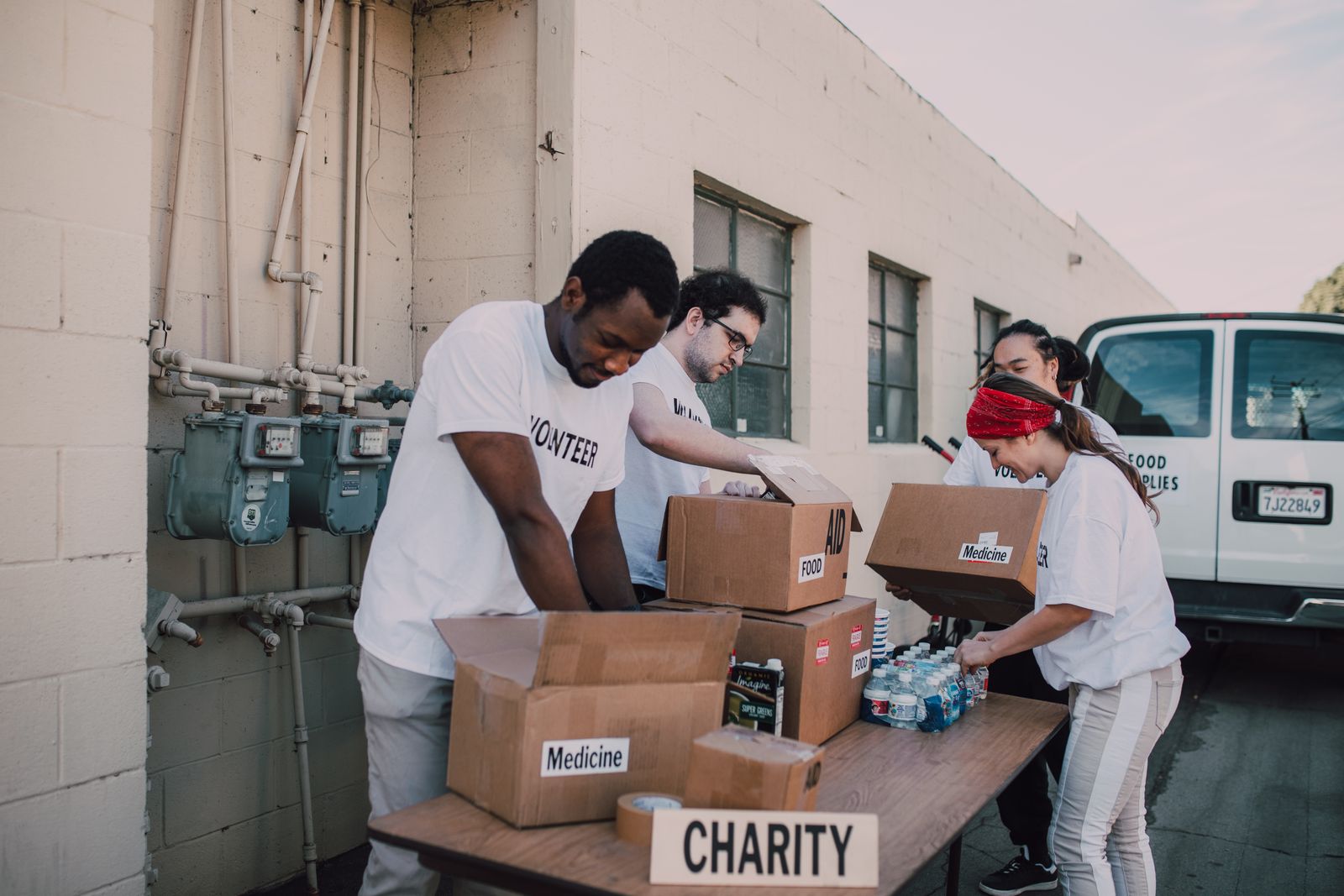
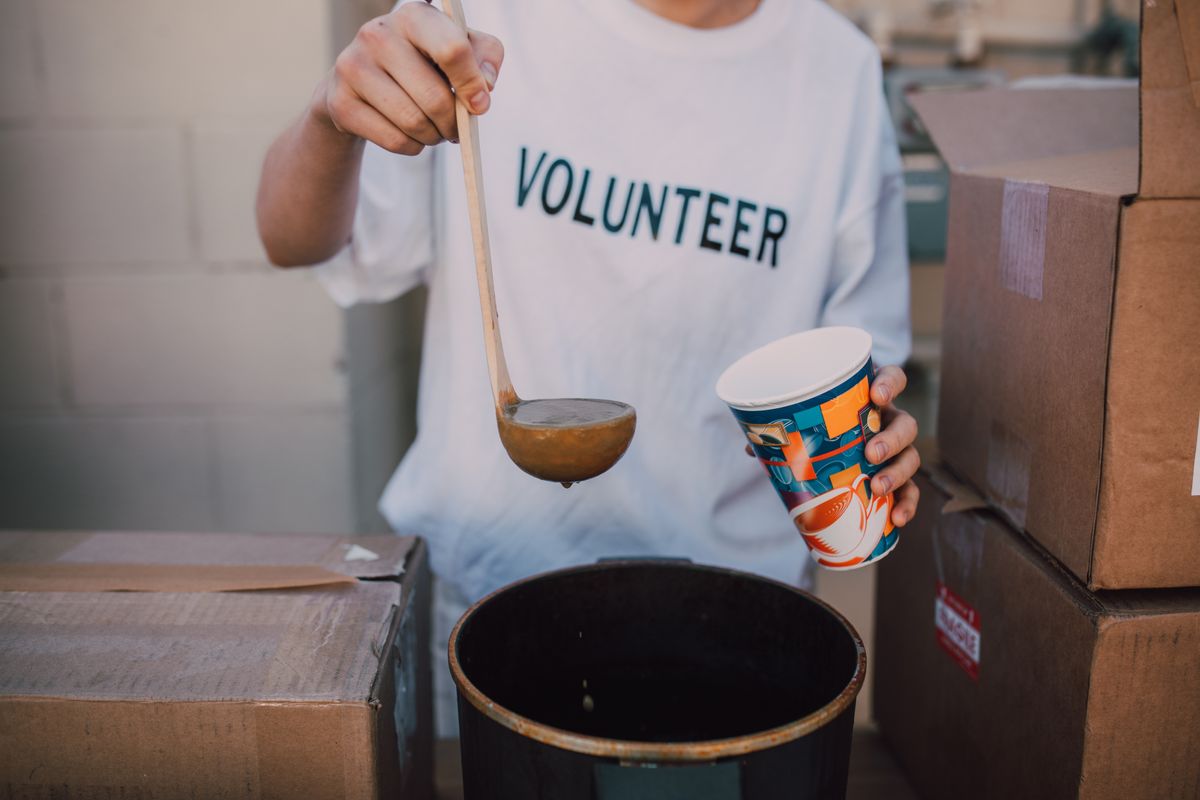
Yes. The most useful shift is two people, a table and breakfast, and the second person is mostly there to sit with someone while they wait on hold. Knowing the city helps far more than knowing anything about homelessness services.
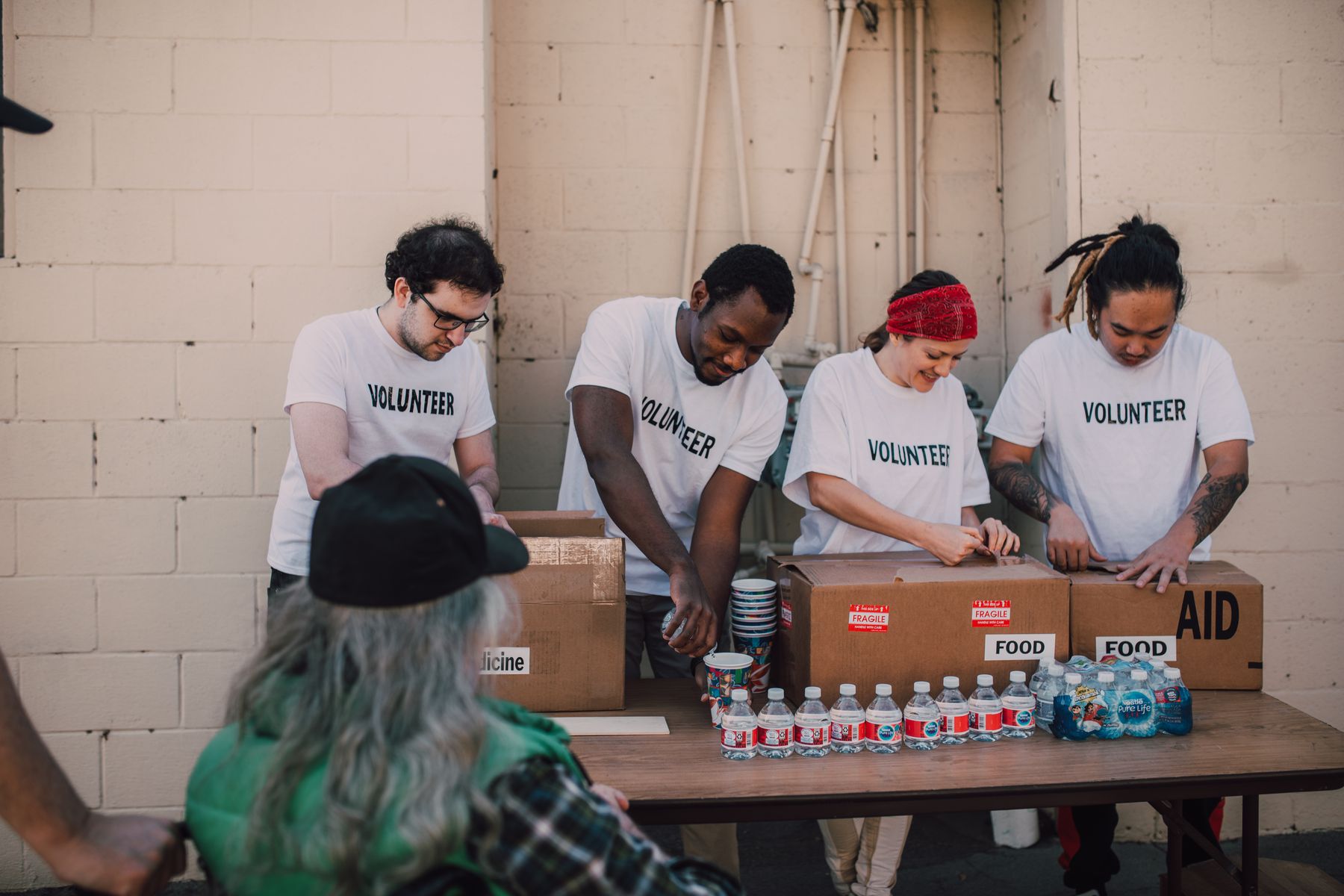
It is two people, a folding table, and breakfast.
The software is the small part. A Saturday morning, or one correction to a service whose details have quietly changed, is the part we cannot do without.
Help out